An outdoor campaign has two jobs: appear where the intended audience travels and communicate a message they can understand in that setting. A large display is not automatically the right display. Start with the audience, the route and the action you want people to take.
Map the audience's everyday routes
Define who you need to reach and the places they move between. A retail campaign might focus on the area around a store, while a regional launch may need a mix of city entry points and commercial neighbourhoods.
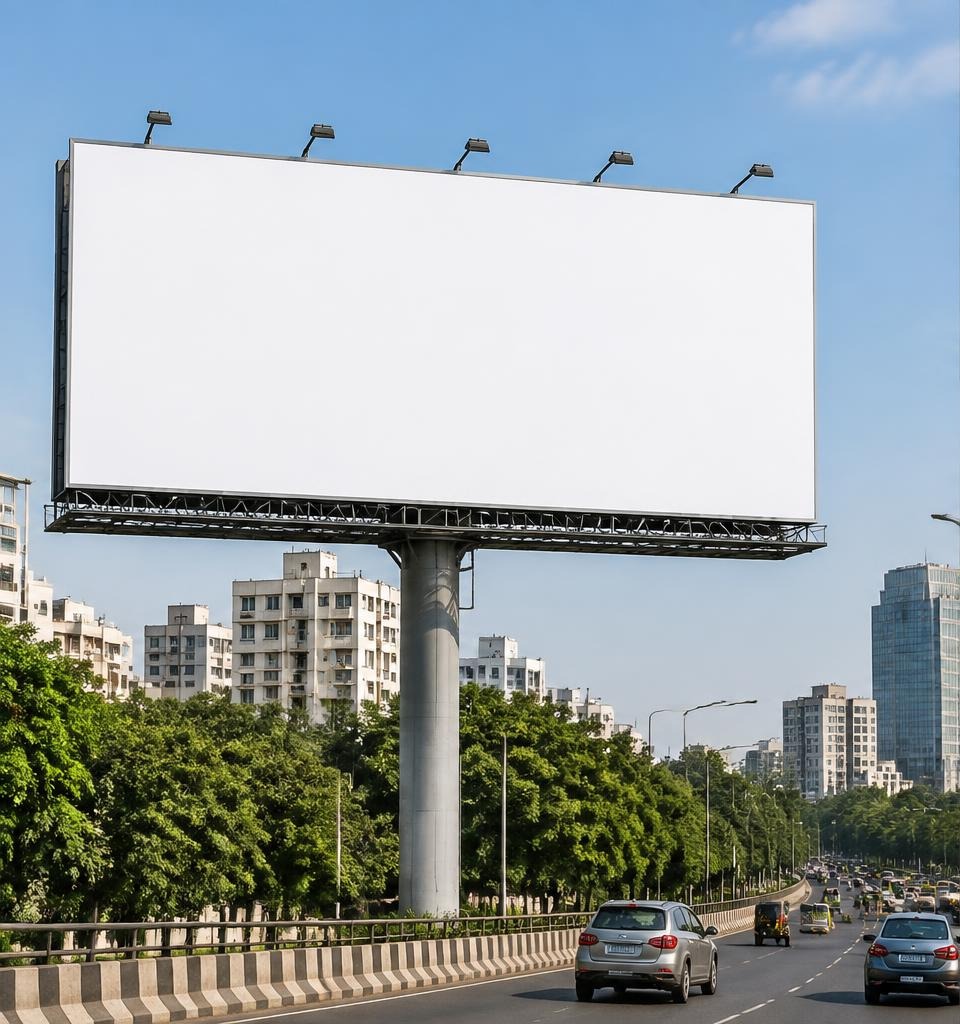
Evaluate the direction of travel, viewing angle, nearby obstructions and the context around each proposed site. Photographs help, but current site checks are important because road conditions and visibility can change.
Design for the viewing conditions
A roadside message needs a different treatment from a display people can approach on foot. Prioritise one main idea, a clear brand identity and a simple next step. Small text and detailed product explanations are difficult to read in passing.
Review the artwork at the intended proportions and consider the viewing distance. Keep contrast strong and confirm that logos and contact details remain readable, rather than judging the design only on a laptop.
Verify the site and scope
Ask for the exact location, format, dimensions, display period and installation arrangements. Confirm current availability and who is responsible for permissions, structural requirements and any applicable local restrictions.
Your proposal should explain printing or display specifications, maintenance responsibilities and how installation will be documented. Do not treat a concept image as proof of an available advertising site.
Set realistic campaign checks
Decide in advance how the campaign will be reviewed. Installation photographs confirm execution, but do not establish audience reach or sales impact on their own. Store enquiries, a campaign-specific contact or other relevant measures can provide context, with their limitations made clear.
The takeaway
Choose outdoor locations for audience fit and visibility, then keep the creative focused enough to work in the real viewing conditions.